This page contains videos, documents and press releases related to occupational health, industrial safety and environmental activities.
| Date | Title | |
|---|---|---|
| 03.06.2026 | How Big Business Is Reshaping the Landscape: Four Lessons From Ural Oil & Gas’ Environmental Initiative | |
| 14.04.2026 | Table Tennis Championship among Ural Oil & Gas LLP Employees |
In Kazakhstan, 2025 has become a year defined by transformation through the nationwide Taza Kazakhstan environmental program. But for industry leaders such as Ural Oil & Gas, this year has represented more than participation in a public campaign.
It has reinforced the idea that environmental stewardship is no longer separate from industrial operations — it is becoming part of their operational reality.
Today, major industrial companies face a broader challenge: how to move beyond production and become active architects of a region’s environmental future. The experience of Ural Oil & Gas suggests that sustainability and ESG are no longer simply additions to annual reports, but practical instruments capable of reshaping both landscapes and corporate culture.
The first and perhaps most obvious lesson is that meaningful environmental impact depends on sustained effort. Throughout the year, with particular focus on the spring and summer months, the company carried out extensive cleanup operations across industrial sites and surrounding areas.
The results were significant: approximately 40 to 50 tons of household and industrial waste were collected and transferred for professional disposal.
For the West Kazakhstan region, this is more than cleanup statistics. It represents a systematic reduction of environmental pressure on soil and nearby waterways.
Cleaning areas around Uralsk is not merely an operational matter — it is directly tied to regional environmental safety. By removing such volumes of waste, the company is addressing environmental risks that could otherwise accumulate over years, reducing its long-term ecological footprint in the process.
The second lesson is about long-term thinking. Environmental investment is, by definition, an investment in future decades. As part of the initiative, 2,500 saplings were planted not only at industrial facilities, but also across communities in the Baiterek district.
In the harsh climate of western Kazakhstan’s steppe — marked by strong winds and soil erosion — tree planting becomes more than landscaping. It is an effort to create a “green shield” capable of improving the local microclimate and protecting biodiversity.
Each of those 2,500 trees represents a living asset that may one day serve as a natural barrier against dust storms, gradually transforming an industrial landscape into a more sustainable ecosystem.
An environmental strategy remains theoretical until people themselves embrace it. The third lesson lies in participation: between 140 and 160 people, including company employees and contractor personnel, took part in the initiative.
When engineers and office employees work side by side planting trees or cleaning public spaces, traditional corporate boundaries begin to fade.
Shared work toward a common goal — preserving the cleanliness of the region — often unites people more effectively than performance targets ever could. Over time, this helps create an internal culture in which environmental responsibility becomes habit rather than obligation.
“This initiative is a core and inseparable part of the company’s long-term environmental policy.”
The fourth lesson reflects the growing concept of regional leadership — often referred to internationally as a company’s “social license to operate.” Modern businesses can no longer limit their responsibilities to the boundaries of industrial facilities.
The geographic reach of Ural Oil & Gas’ environmental efforts extended beyond production sites into the broader social landscape — from Uralsk to villages across the Baiterek district.
The company’s focus on the well-being of local communities reflects a broader and more mature understanding of corporate responsibility. It acknowledges that the prosperity of a business cannot be separated from the environmental well-being of the region around it.
By investing beyond its own facilities, the company is ultimately investing in the quality of life of the wider community.
The results of the Taza Kazakhstan initiative cannot be measured solely in tons of waste removed or the number of trees planted. Its most important outcome may be the gradual emergence of a new environmental culture.
When large businesses take on the role of drivers of change, they inevitably set new expectations for society and for the market around them.
The local initiatives undertaken by Ural Oil & Gas reflect a broader shift in how industrial companies approach their role in society.
The larger question now is whether this culture of responsibility will become the standard across the industry — turning isolated environmental initiatives into a long-term vision for Kazakhstan’s sustainable future.
As part of the activities предусмотренных by the Roadmap for improving occupational safety, labor protection and environmental performance in the group of companies of NC KazMunayGas JSC for 2024–2027, a Table Tennis Championship was organized among employees of Ural Oil & Gas LLP to support and improve employees’ physical fitness.
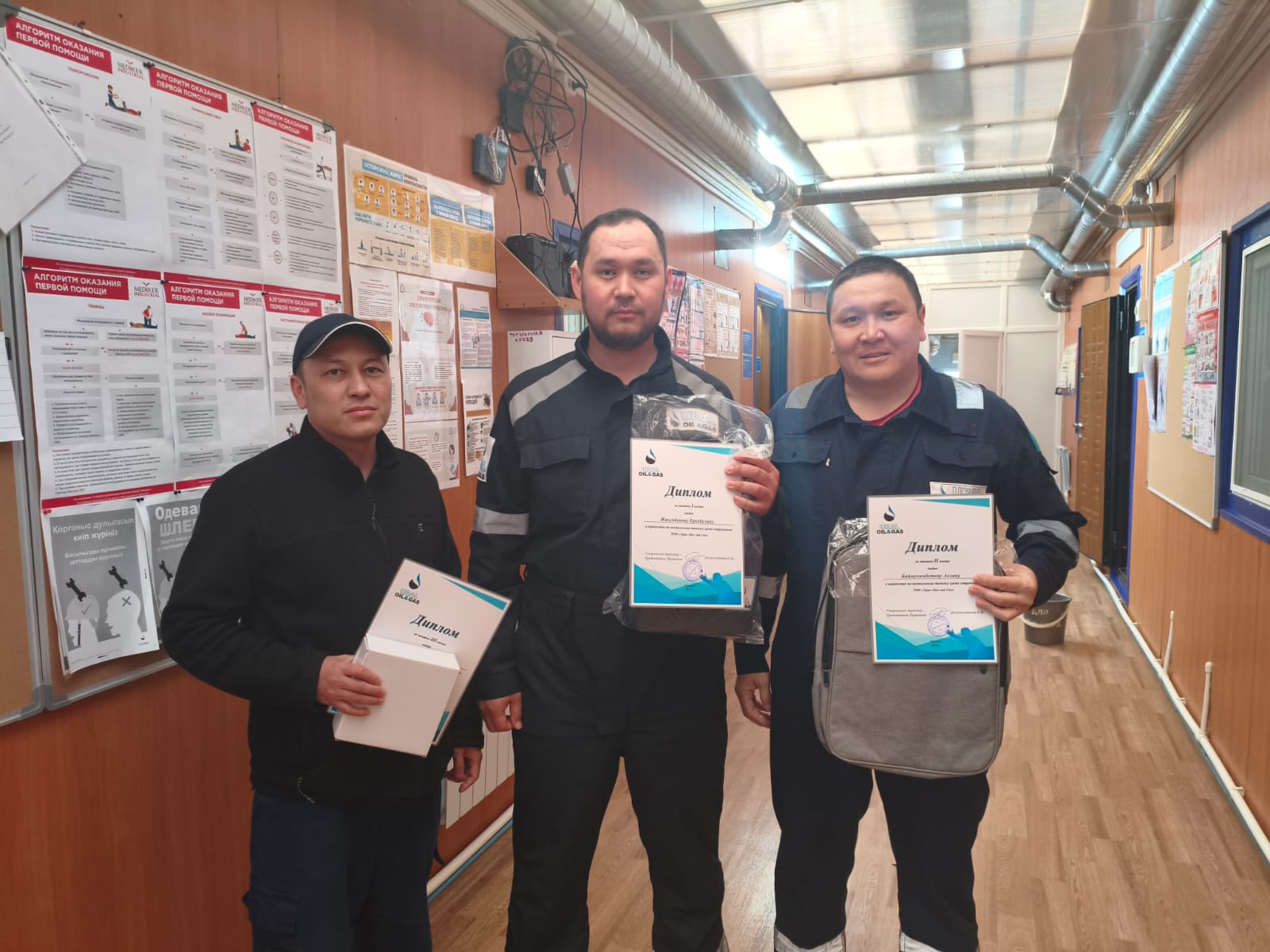
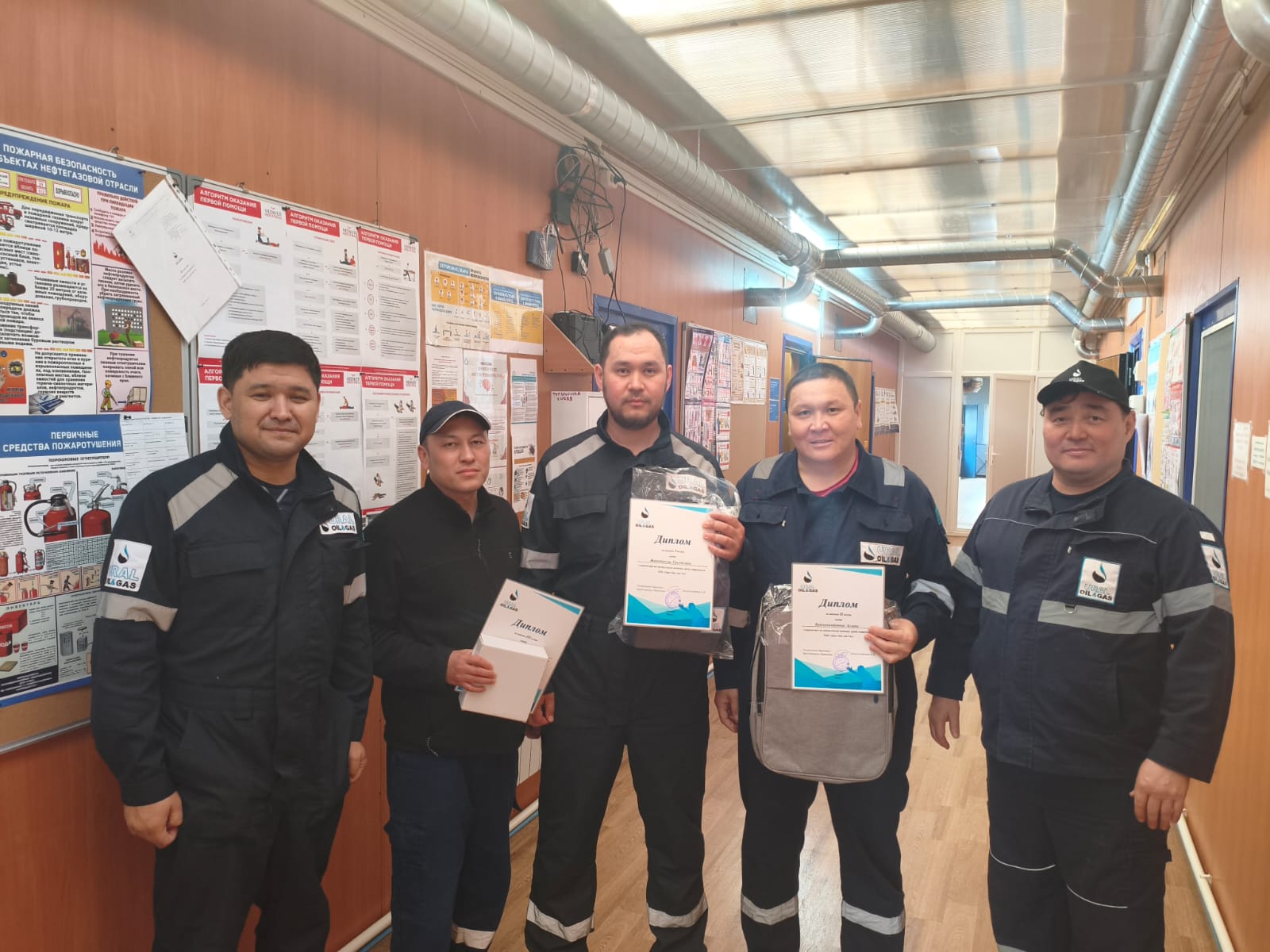
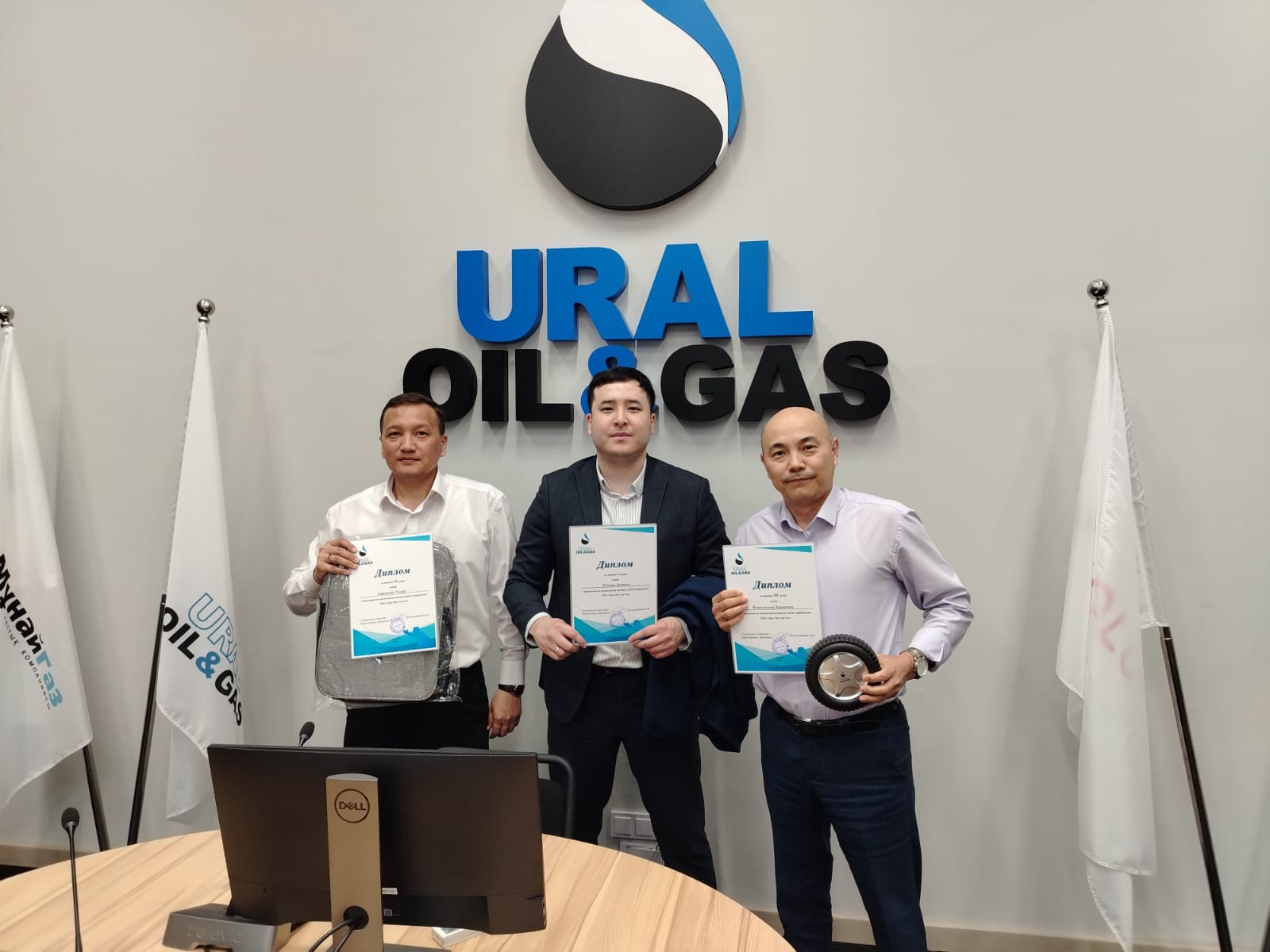
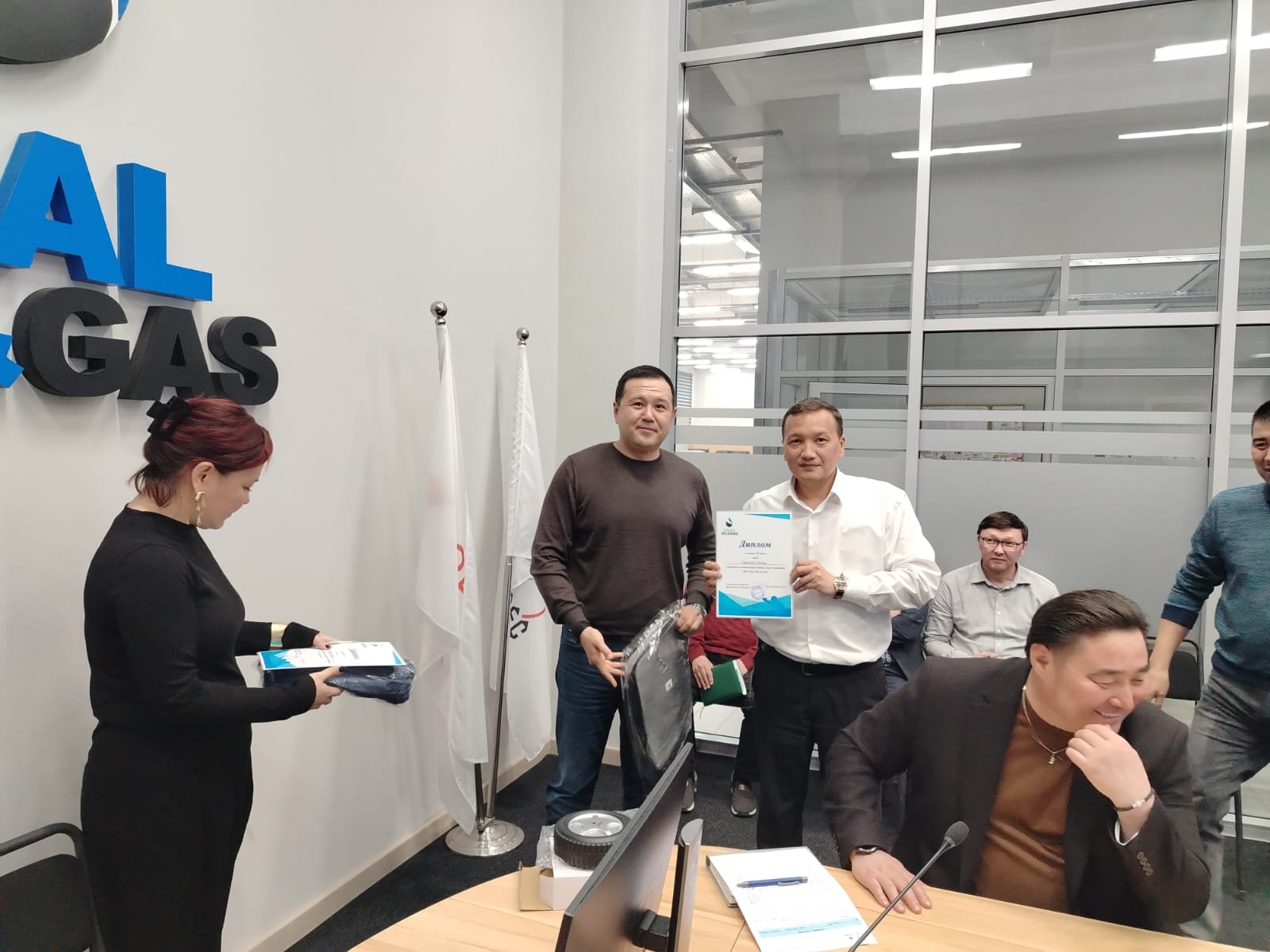
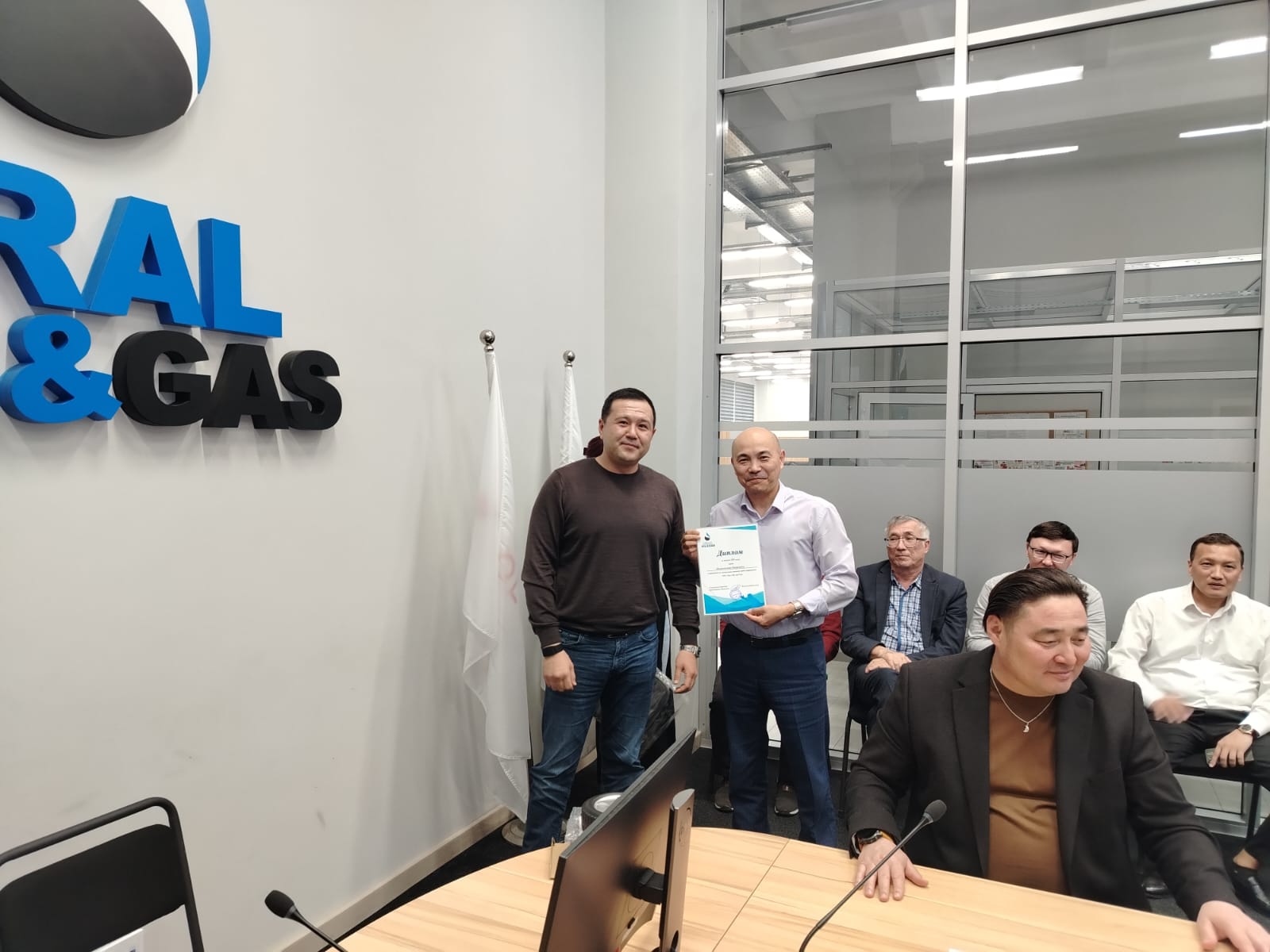
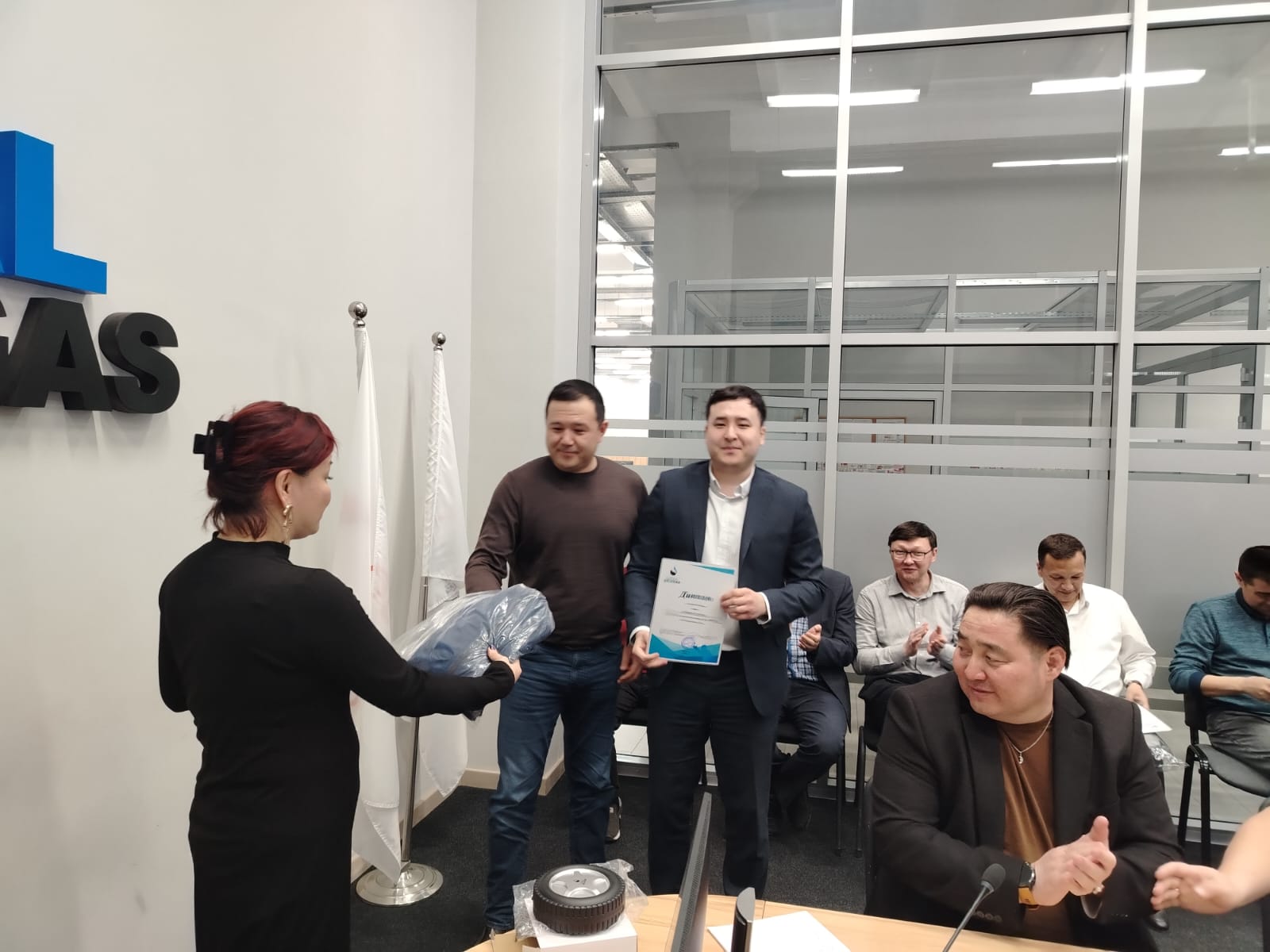
The championship was held among office employees and field personnel. Following the competition, employees who won prize places were awarded diplomas and commemorative gifts.
Such events contribute to strengthening corporate culture, promoting a healthy lifestyle among employees, and increasing staff engagement in occupational health and industrial safety matters.
Ural Oil & Gas LLP will continue implementing initiatives aimed at strengthening employee health and fostering a safety culture in production.